A gastric sleeve in Cairo is a keyhole operation that removes around 80% of the stomach, leaving a narrow tube that holds far less food (NHS). Together with the gastric bypass, it makes up about 90% of weight-loss operations worldwide (ASMBS/IFSO), and it is one of the options in our guide to bariatric surgery.
This page explains how the sleeve works, who it suits and who it does not, what happens on the day, the risks and warning signs, and what results are realistic. Whether it is right for you is decided after an examination and tests.
- Operation time
- Usually 1–3 hours
- Hospital stay
- 1–3 days
- Anaesthesia
- General anaesthetic, keyhole surgery
- Back to normal activities
- About 4–6 weeks
What a sleeve gastrectomy is and how it works
The surgeon removes about 80% of the stomach along its outer curve, leaving a banana-shaped tube (ASMBS). The smaller stomach fills quickly on small portions and produces less of the hormone that triggers hunger (Cleveland Clinic).
Unlike a bypass, the intestine is not rerouted, so food passes through the normal route. The ASMBS describes the sleeve as technically simpler, with a shorter operating time, and notes that it can be done in some high-risk patients (ASMBS). The price of that simplicity is permanence: the removed stomach cannot be put back, so the operation cannot be reversed (NIDDK).
Who a gastric sleeve in Cairo suits, and who it does not
The sleeve is generally considered for class III obesity, meaning a BMI of 40 or more, or at least 35 with a related disease, in people who have tried to lose weight without lasting success (Cleveland Clinic). International guidelines now recommend surgery from a BMI of 35 regardless of other conditions, and suggest considering it from 30 to 34.9 with metabolic disease (ASMBS/IFSO). You can check your number with our BMI calculator.
It may be the wrong choice if you already have troublesome acid reflux, because a sleeve can worsen it or cause new heartburn, while a bypass often improves it (ASMBS). It is also not a good idea if you cannot commit to lifelong supplements and follow-up, or have not yet tried non-surgical methods (NIDDK). Before any decision, the team assesses your physical health, mental wellbeing and eating patterns (NHS).
How the operation is done, step by step
Sleeve gastrectomy is done under general anaesthetic, so you are asleep throughout (NHS). Most operations are laparoscopic, through small cuts rather than one large incision (Cleveland Clinic).
- The surgeon makes a small cut of about 1.25 cm in the abdomen to insert a port, then one to three more small cuts for the instruments (Cleveland Clinic).
- The abdomen is gently inflated and a camera shows the inside on a screen.
- A sizing tube is placed in the stomach to guide the shape of the new sleeve.
- A stapler divides the stomach along its length, and the larger outer part is removed through one of the small cuts.
- The staple line is checked, the instruments are removed and the cuts are closed.
The operation usually takes 1 to 3 hours (NHS), and most people stay in hospital for one to two days afterwards (Cleveland Clinic).
Preparing for a sleeve gastrectomy
Preparation starts with a full assessment: blood and urine tests, X-rays and scans to look for problems such as blood clots, ulcers and hernias (NHS). The team also talks with you about your eating habits, past attempts at weight loss and how you will cope with the changes after surgery (NHS).
Many programmes ask for a two-week liquid diet before the operation (Cleveland Clinic). Bring a list of all your medicines, including blood thinners and diabetes treatment, so the team can tell you what to stop or adjust.
Recovery and diet after a gastric sleeve
Most people leave hospital one to three days after weight-loss surgery and begin returning to their normal activities after four to six weeks (NHS).
Food is reintroduced in diet stages, roughly as follows, although your own plan may differ (NHS):
| Stage | Roughly when | What you eat |
|---|---|---|
| Liquids | Weeks 1–2 | Water and thin liquids such as clear soup |
| Runny and puréed | Weeks 3–4 | Yoghurt and puréed food |
| Soft | Weeks 5–8 | Soft foods such as mashed potato |
| Normal | From week 8 | A gradual return to a healthy, balanced diet |
Eat slowly, chew well and keep portions small. You will need vitamin and mineral supplements for life and regular check-ups, usually at the surgical clinic for at least the first two years and then once a year (NHS). Women are advised to avoid pregnancy for 12 to 18 months, until weight has stabilised (NHS).
Risks and complications
Major complications after a sleeve occur in less than 1% of operations (Cleveland Clinic), and the risk of dying around the time of bariatric surgery is between 0.03% and 0.2% (ASMBS/IFSO).
- Staple-line leak: food or fluid can leak from the stomach and cause a serious infection that needs antibiotics (NHS).
- Bleeding, wound infection and reactions to the anaesthetic (Cleveland Clinic).
- Blood clots in the leg (deep vein thrombosis) that can travel to the lungs (NHS).
- Narrowing of the sleeve from scar tissue, causing nausea, vomiting and difficulty eating (Cleveland Clinic).
- New or worse reflux (ASMBS), which can often be treated with medication (Cleveland Clinic).
- Gallstones, especially with fast weight loss, and nutritional deficiencies (NHS, Cleveland Clinic).
- Loose folds of skin as the weight comes off (NHS).
When to contact the surgeon urgently
Go to the nearest emergency department straight away, then call the surgical team, if you have any of the following (NHS):
- Difficulty breathing or chest pain, especially with pain and swelling in a leg
- Severe pain in the abdomen
- Vomiting blood, or vomit that looks like coffee grounds
- Heavy or non-stop bleeding from the back passage
Call the team the same day if you have a high temperature or shivering, a fast heartbeat or fast breathing, tummy pain or difficulty swallowing, repeated vomiting, or a red, swollen and painful leg (NHS).
Results to expect
The average weight loss after a sleeve is 25% to 30% of body weight in the first one to two years, and that average holds at five years (Cleveland Clinic). Across bariatric surgery, the durability of weight loss has been shown at 5, 10 and 20 years in several studies (ASMBS/IFSO).
Your own result depends heavily on what you eat and how active you are after the operation (NIDDK). The sleeve also has a smaller effect on metabolism than bypass operations (ASMBS), which matters if type 2 diabetes is a main reason for surgery.
Alternatives to the gastric sleeve
The sleeve is one of several options, and the right comparison depends on your reflux, diabetes and BMI. A mini gastric bypass joins a narrow stomach to the small intestine with one connection (Cleveland Clinic). A classic Roux-en-Y bypass often improves reflux (ASMBS), and a balloon avoids surgery altogether.
| Gastric sleeve | Mini gastric bypass | Gastric balloon | |
|---|---|---|---|
| Typical weight loss | 25–30% of body weight in 1–2 years (Cleveland Clinic) | Up to 73% of excess weight at five years in one study (Cleveland Clinic) | About 10% of body weight (Cleveland Clinic) |
| Reflux | May worsen or start (ASMBS) | Higher risk of bile reflux (Cleveland Clinic) | Acid reflux possible in the first weeks (Cleveland Clinic) |
| Reversible? | No (NIDDK) | Changing it needs another operation | Yes, it is removed after about six months (Cleveland Clinic) |
| Hospital stay | 1–2 days (Cleveland Clinic) | 1–2 days (Cleveland Clinic) | A few hours (Cleveland Clinic) |
What affects the cost of a gastric sleeve in Cairo
The price depends on the hospital class, the surgical and anaesthetic team, the stapler cartridges used, the nights in hospital, the tests before surgery, and the dietitian and follow-up visits afterwards. Our page on gastric sleeve cost explains each item and what a written quote should include.
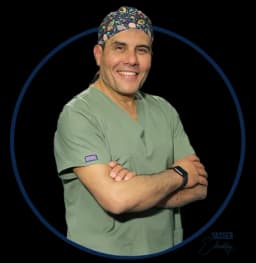
Dr. Yasser Elbasatiny is an FRCS-qualified surgeon (Edinburgh, 1996) with a diploma in obesity surgery from Padua (2001) and more than 30 years in practice. To find out whether a sleeve suits you, book a consultation with Dr. Yasser in New Cairo or at Cleopatra Hospitals.
Frequently asked questions
How much weight will I lose after a gastric sleeve?
Can a gastric sleeve be reversed?
How long will I stay in hospital after a sleeve?
When can I go back to work after a gastric sleeve?
Will I need vitamins for life after a gastric sleeve?

Medically reviewed by Dr. Yasser Elbasatiny
Last updated:
Sources
- Cleveland Clinic – Gastric sleeve surgery
- Cleveland Clinic – Mini gastric bypass (one anastomosis)
- Cleveland Clinic – Intragastric balloon
- ASMBS – Bariatric surgery procedures
- NIDDK (NIH) – Types of weight-loss surgery
- NHS – Weight loss surgery: how it is done
- Eisenberg et al. 2022 ASMBS and IFSO Indications for Metabolic and Bariatric Surgery (Obes Surg 2023)
- NIDDK (NIH) – Potential candidates for bariatric surgery
- NHS – Weight loss surgery: preparing
- NHS – Weight loss surgery: recovering
- NHS – Weight loss surgery: complications